
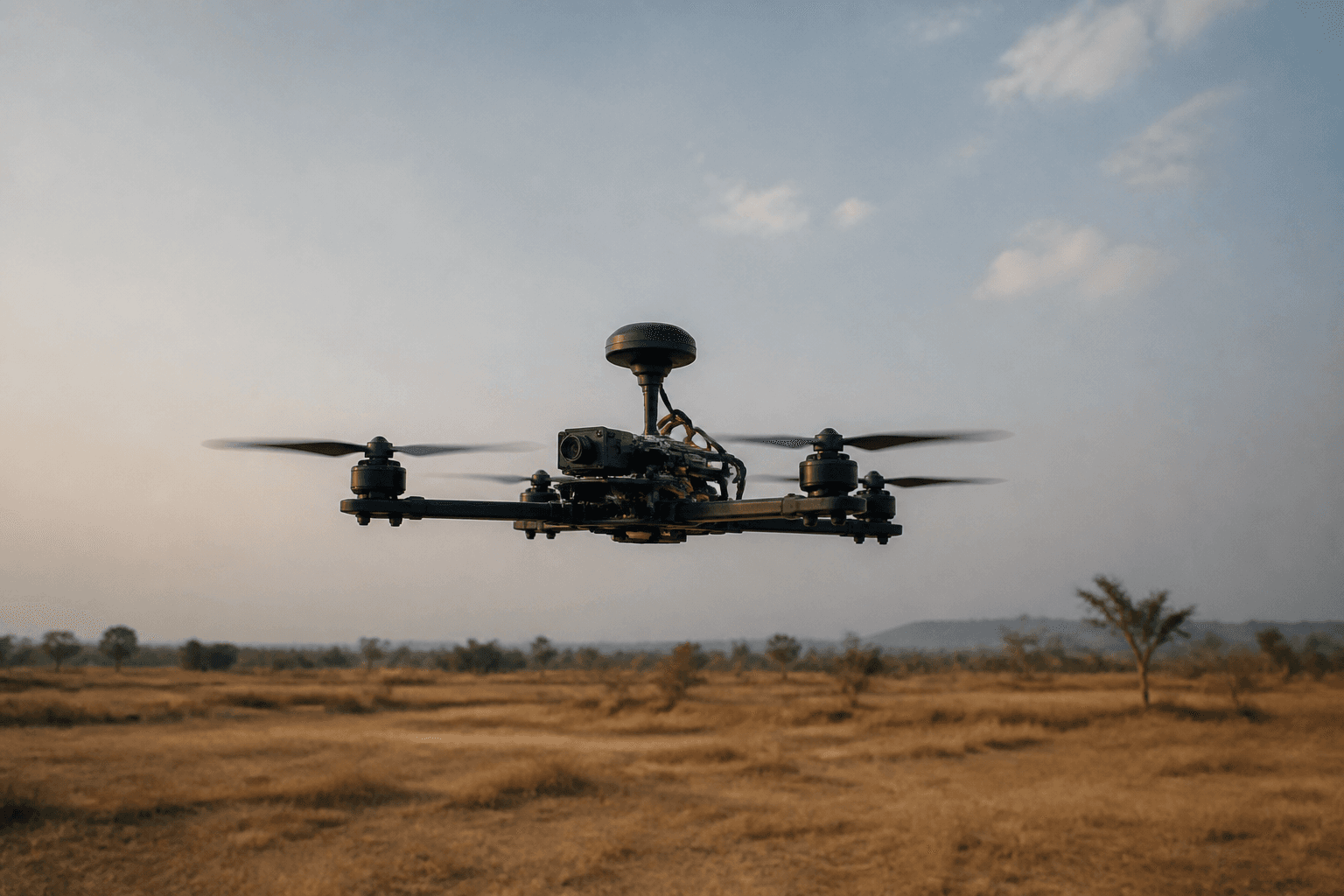
Failsafe scenarios: drop, land, GPS rescue

Failsafe is the plan when link dies. Wrong plan over a crowd or into a lake is worse than a controlled drop in open grass. Software cannot fix liability, but correct configuration prevents predictable disasters.
Failsafe spans RX link loss, FC stage behavior, and optional GPS rescue. Each layer must match where you actually fly, not where YouTube pilots fly.
When the link dies
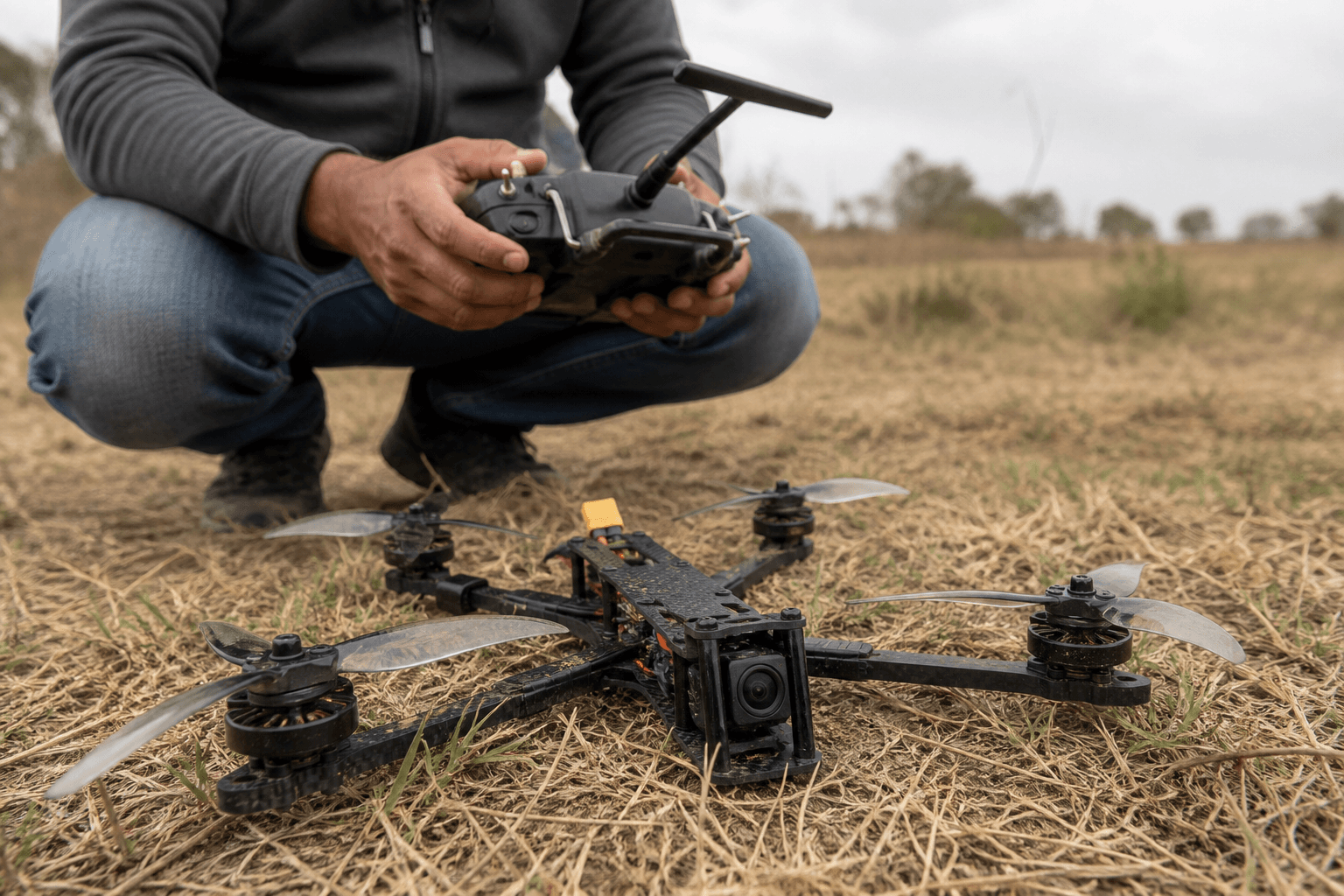
The receiver stops hearing the transmitter. Betaflight (or iNav) reacts per your configured stages. On ELRS, LQ on OSD helps you see margin before failure, configure in OSD essentials.
Link hygiene first: bent RX antenna, vtx too close to RX pigtail, and urban multipath cause failsafes that look like "bad RX." Read ELRS link budget and antenna placement before blaming firmware.
| Signal | Meaning |
|---|---|
| LQ trending down | Turn back, reduce distance, check antennas |
| Sudden failsafe at spot | Multipath or body block, note location |
| Failsafe on arm only | Wiring, protocol, or wrong UART |
Drop (cut motors)
Use when: open field, no climb needed, minimize flyaway risk.
Behavior: motors stop; quad falls. Gravity is reliable; wind is not.
Risk: falls from height, fine over grass, bad over people, roofs, water, or vehicles.
| Environment | Drop appropriate? |
|---|---|
| Open club grass | Often yes |
| Urban terrace | Rarely |
| Over water | Only if you accept swim |
| Near spectators | No |
Common mistake: drop failsafe on a quad that was climbing fast at link loss, it still falls from that height. Drop is not "safe" at 40 meters.
Land (descent / auto-land)
Use when: you have altitude and space to spin down gently, some configs lower throttle over time or use baro/GPS assist depending on firmware.
Configure descent rate sanely, too fast slams; too slow drifts with wind into a road.
India wind note: afternoon thermals and gusty monsoon edges move a "gentle land" into a neighbor's wall. Test over open ground you have walked.
GPS rescue
Use when: GPS fix reliable, open sky, tested on open ground.
Not when: urban canyon, low battery, untested config, first flight after GPS install.
GPS rescue is a feature, not a substitute for link budget. It needs sats, correct home point, and sane climb behavior, plus legal and insurance reality you accept as pilot.
| Prerequisite | Check |
|---|---|
| Home set | Before takeoff habit |
| Min sats | OSD shows consistent fix |
| Rescue switch | Deliberate, not bump |
| Open sky path | No tight urban |
Configuration map (mental model)
Link lost → Stage 1 (channel fallbacks, guard delay) → Stage 2 procedure (Drop / Land / GPS Rescue)

Align the Stage 2 procedure with terrain you fly THIS month
Radio side: arm and mode switches in EdgeTX must not fight FC failsafe, verify after model copy.
Test script: non-negotiable
1. Low hover (2 m) over grass, clear area
2. Walk behind obstruction OR follow manual TX-off procedure
3. Observe behavior, film if helpful
4. Repeat after any RX, FC, or firmware change
5. Log result in model notes ("drop tested 2026-07-01 OK")
Never first-test failsafe over people, property, or water.
After crash repair: repeat test, RX replacement changes everything.
Choosing a scenario: decision tree
Where do you fly most?

├─ Open field freestyle
│  └─ Drop or short land, minimize flyaway
│
├─ Mixed obstacles, moderate height
│  └─ Land stage if configured; avoid flyaway modes
│
├─ Long range / open sky / GPS installed
│  └─ GPS rescue as OPTIONAL layer after open-field tests
│
└─ Urban / terrace / crowds
   └─ Conservative drop + never fly where link margin is thin
       See terrace guide + 2.4 GHz urban RF
OSD and warnings
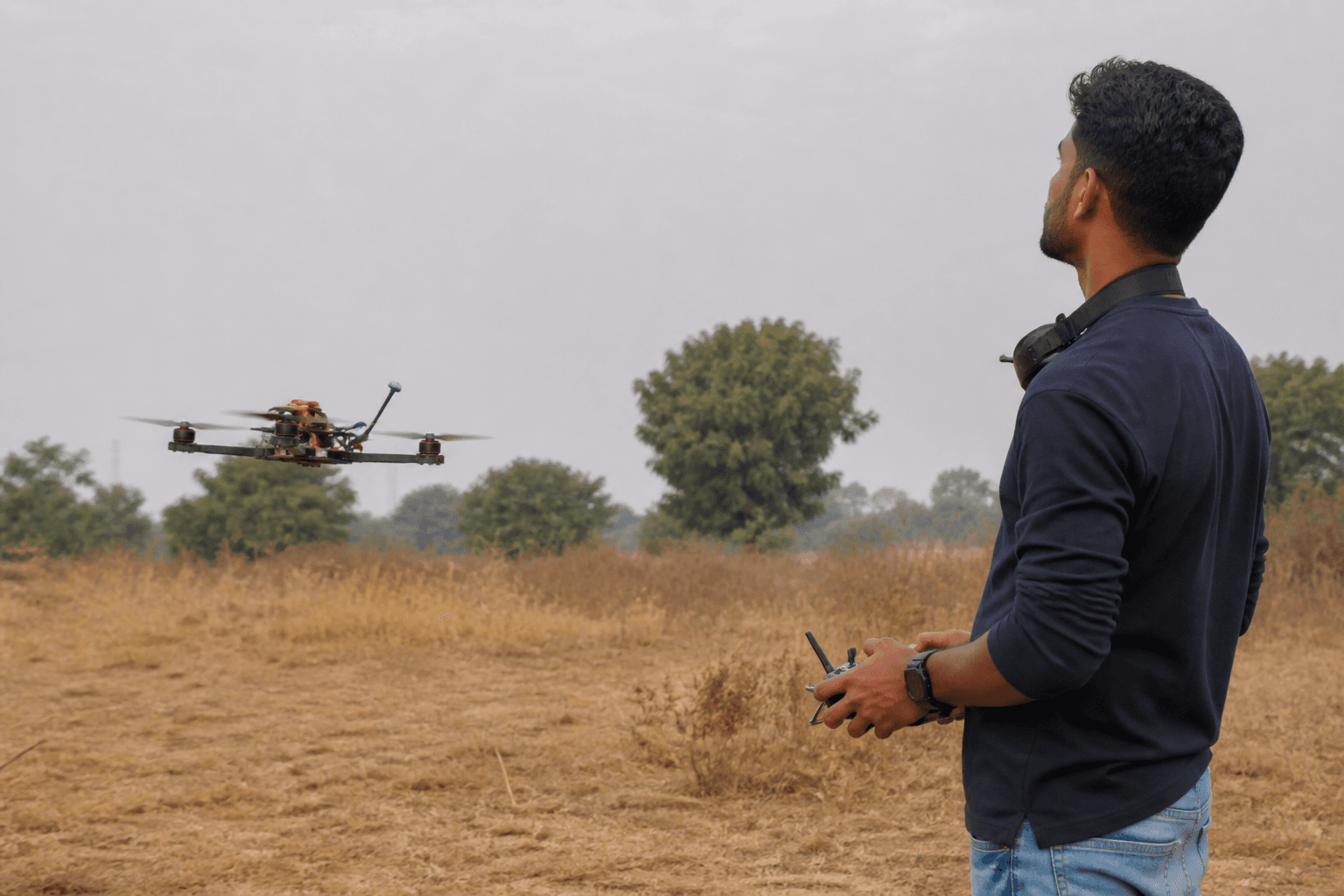
Low voltage and link warnings should fire before failsafe, see OSD essentials. Failsafe is last resort; voltage landing is everyday skill, LiPo safety.
Cross-link: video vs control
Video vtx loss is not the same as control failsafe. You can lose video while still flying, or lose control while video looks fine. Configure control link on ELRS independently of analog vtx channels.
Match failsafe to your actual spots, not your aspiration spots.
iNav vs Betaflight note
GPS rescue and return behaviors differ by firmware. This article's scenarios apply conceptually; iNav pilots should follow iNav rescue docs and test over open ground similarly. Mixing Betaflight failsafe assumptions with iNav wings is a common forum confusion, verify your stack.
Liability mindset
Failsafe reduces predictable harm; it does not grant permission to fly over people or property. Pair configuration with spot choice, insurance and local norms matter more than any drop/land toggle.
When to re-test immediately
- New RX or different UART pad
- FC replacement
- Major firmware bump
- Crash that touched RX antenna or FC
- Changed arm switch mapping on radio
Add "failsafe OK + date" to model notes in EdgeTX, future you will forget.
Spectator and terrace context
Terrace flying near railings rewards conservative drop failsafe over flyaway modes, a quad that motors on without link can clear a parapet in one gust. Pair failsafe choice with terrace flying habits and spot briefing, not optimism.
Betaflight stage reference (conceptual)
Exact menus change by version, verify in your configurator. The mental model stays stable.
| Stage | Typical behavior | Good for |
|---|---|---|
| Stage 1 (guard period) | Channel fallbacks, throttle low, sticks centered for configured delay (~1.5 s default) | Brief dropout recovery window |
| Stage 2, Drop | Motors cut / disarm (default procedure) | Open grass |
| Stage 2, Land | Level + throttle decay / gentle descent | Moderate height, open area |
| Stage 2, GPS Rescue | Climb, turn, return | Open sky, tested GPS |
GPS rescue is a Stage 2 procedure option, not a separate layer after land or drop.
Configure order:
1. Fix link first, antennas, LQ on OSD
2. Set RX failsafe mode in receiver tab (no pulses / hold per CRSF docs)
3. Pick Stage 2 procedure (Drop, Land, or GPS Rescue) for your terrain
4. GPS rescue switch, deliberate, tested
5. Low hover test, film behavior
6. Model note in radio, date + result
Common failsafe configuration mistakes
| Mistake | Outcome |
|---|---|
| Flyaway mode over city | Quad crosses roads |
| GPS rescue untested over trees | First use is not over trees |
| No test after RX swap | Surprise behavior mid-session |
| Land stage too fast in wind | Drift into obstacle |
| Assuming video loss = control loss | Two links, two configs |
Failsafe is insurance you hope never pays out. Configure for where you fly this month, re-test after any hardware change, and keep LQ margin high enough that stages rarely trigger.
Discussion
Comments aren't open on this post yet. Share it with your build group, or start a thread on X.