

Cinewhoop, micro whoop, or 5" freestyle, which build should come first?

Your first build should match where you are allowed to fly and how much you are willing to spend on repairs while learning. Picking the wrong class is how people buy a loud 5-inch, hover twice on a terrace, get a housing-society complaint, and put the hobby in a cupboard.
Indian pilots in particular deal with apartments, terrace politics, and summer heat at fields hours away. The right first quad is the one you can fly three times a week, not the one that wins Instagram.
The three classes
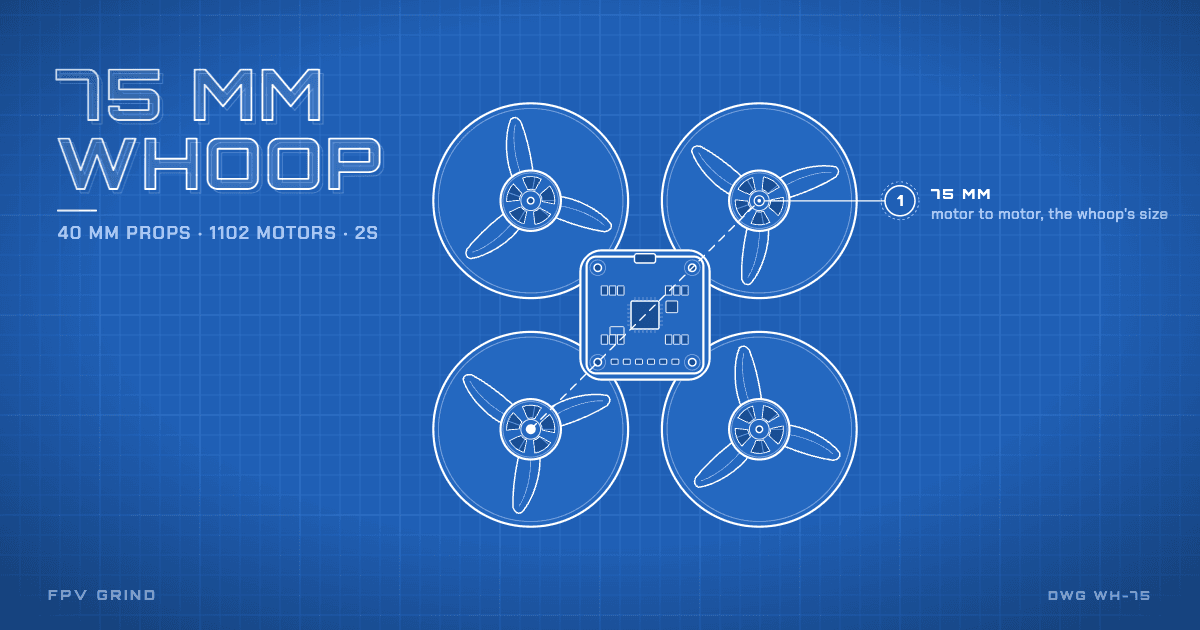
Micro whoop (1S–2S indoor class)
Best when: you have a room, hall, basement or a park on calm days and want dozens of short flights a week.
Strengths: cheap crashes, fast learning, and it still flies in the monsoon when fields are mud.
Trade-offs: struggles in wind, limited punch for big spaces, and still needs care around people and pets (spectator boundaries).
Typical crash cost: props, sometimes a motor or frame: hundreds of rupees, not thousands.
Cinewhoop (2–4" ducted or semi-ducted)
Best when: you want slow proximity flying and HD footage, usually with less intimidation than open 5-inch props.
Strengths: larger cinewhoops carry an action camera, fly through gaps, and look polished in reels.
Trade-offs: heavier than whoops, louder than people expect, and ducts are not a safety guarantee. Repair costs sit between a whoop and a 5-inch.
India note: terrace hover “tests” still trigger noise complaints; apartment guide.
5-inch freestyle
Best when: you have open fields, club access or mentors, and accept more noise and harder crashes.
Strengths: the reference platform for tuning, parts availability and community help.
Trade-offs: props cause real injuries, so take public spaces and bystanders seriously. Spares, motors and frames cost more. Most 5-inch builds also weigh over 250g, which puts them outside the nano category in India’s drone rules. Summer field days need planning; heat packing.
Decision matrix
| Factor | Whoop | Cinewhoop | 5" freestyle |
|---|---|---|---|
| Tight spaces | ● | ◐ | ○ |
| Outdoor wind | ○ | ◐ | ● |
| HD carry potential | ◐ | ● | ● |
| Cost to crash | Low | Medium | Higher |
| Club field required | No | For serious outdoor | Yes |
| Noise (terrace) | Low–med | Med–high | Very high |
| Parts in India | Good | Good | Good |
● = strong fit · ◐ = workable · ○ = poor default
Workflow: pick in 15 minutes
1. List where you can fly THIS month (not "someday field")
   □ Indoor room only
   □ Society terrace (check bylaws)
   □ Open ground / club

2. Count weekly sessions you will actually do
   □ 5+ → whoop or cinewhoop
   □ 1 weekend → 5" can work if field access is real

3. Budget repairs for the first 8 weeks
   Whoop: lots of props, a spare motor or two
   Cinewhoop: props, ducts, maybe a frame part
   5": props, arms, maybe an ESC

4. Ask local pilots what THEY fly at your spot
Still stuck? Buy what your local pilots fly at the spot where you will meet them. Community beats spec sheets in week one.
Sim + first build pairing
| First physical build | Sim emphasis |
|---|---|
| Whoop | Low-rate indoor hover, throttle discipline |
| Cinewhoop | Slow proximity, no punch-out habit |
| 5" | Rates similar to field quad; crash recovery |
The sim doesn’t replace real whoop time, but it moves your expensive mistakes to where they cost nothing.
Common first-build mistakes
| Mistake | Why it hurts |
|---|---|
| 5" because YouTube flies 5" | No field access, so it sits on a shelf |
| Cinewhoop for the living room | Still loud; furniture kills it |
| Whoop only, never planning outdoors | Skill plateaus; boredom |
| HD on a first whoop | Weight and cost before basics |
| Ignoring the connector standard | PH2.0 vs BT2.0 charger mismatch; connector guide |
Upgrade path (natural, not mandatory)
Many Indian pilots:
Whoop (indoor skill) → 5" at club (outdoor freestyle)
OR
Whoop → Cinewhoop (HD reels) → 5" when field routine exists
Skipping straight to a 5" works if you already have club access and a way to get there; otherwise, whoop weeks pay off.
Buying in India
Check domestic stock for your class (buying checklist). Whoop batteries and worn connectors are ongoing costs; a 5-inch rewards one good parallel board and sticking to XT60 (parallel charging).
Mentor and club shortcut
If a local pilot lets you fly their spare on a club day, notice which class feels natural before you buy. Ten minutes on the sticks beats ten hours of specs, and one club day can save you ₹15k–40k on the wrong class. FPV communities by city is the fastest way to find them.
First eight weeks: realistic expectations
| Week | Whoop | Cinewhoop | 5" freestyle |
|---|---|---|---|
| 1–2 | Hover, avoiding furniture | Line-of-sight hover, noise check | Bench checks + first flights |
| 3–4 | Figure-eights indoors | Slow lines in an open field | Club field with a mentor |
| 5–6 | Outdoors in calm wind only | First HD clips | Tuning pass, spare props |
| 7–8 | Motor and prop wear is normal | Props and frame repairs | Arms, maybe an ESC if unlucky |
Weekly check:
- Did I fly three or more times this week?
- If not, was it the weather or the wrong quad?
- Were crash costs within budget?
- Any noise-complaint risk? (see the terrace guide)
Bottom line
Build what you can fly every week, not what looks best in a photo grid. The best first quad suits your real flying spots and your real noise budget. Move up a class when access and skill justify it, not when a reel makes you impatient.
Bench
Browse the Bench by class once you have picked whoop, cinewhoop or 5".
- Whoop: 1S packs; PH2.0 or BT2.0, pick one
- Cinewhoop: frames, plus ducted props
- 5": Motors, Propellers
See also
- Kids, pets, and spectators near whoops, ducted is not safe around bystanders
- Flying in apartments and terraces in India, match quad class to where you live
- Building your first 5" freestyle quad, if 5-inch is your pick
Fly with pilots near you
Every city page has an open FPV Grind group you can join with your account, plus where to fly, when the weather allows it and what the airspace rules say. Find FPV pilots near you.
Discussion
Comments aren't open on this post yet. Share it with your build group, or start a thread on X.